Introducing Grey Spaces: A Walk Across Paris to The Stop

Introducing Grey Spaces: A Walk Across Paris to The Stop

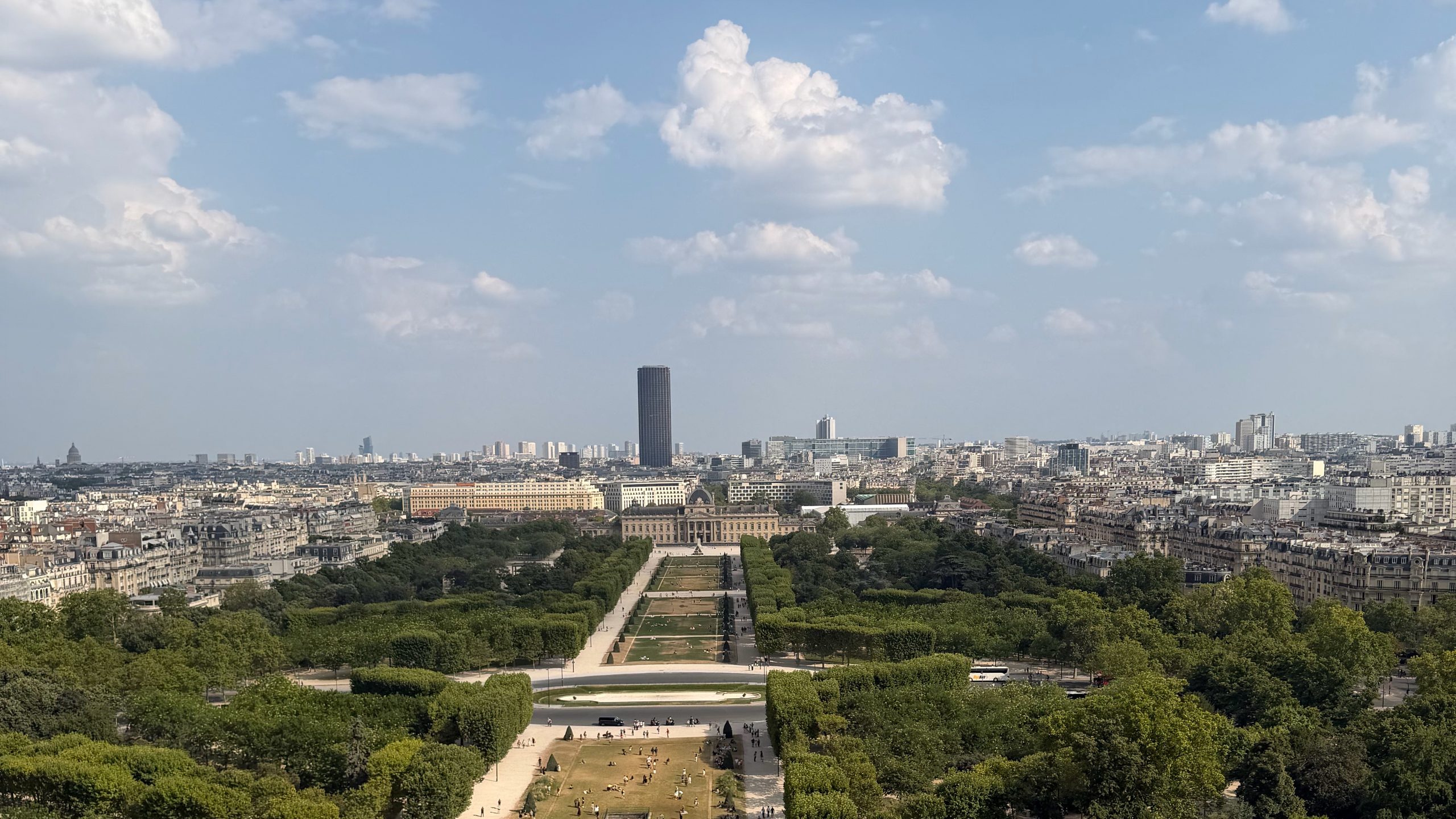
In July, a few of us walked across Paris to lunch. We went up the Eiffel Tower first, because you have to, and looked down the Champ de Mars to Montparnasse. We climbed Montmartre under a sky that couldn’t make up its mind, ducked into a church or two, and passed more café-bars than anyone could reasonably count. The destination was L’Arrêt by The Grey, a bistrot de quartier with a Savannah accent.

We’re pleased to say the people behind it are now a client. Welcome, Grey Spaces.

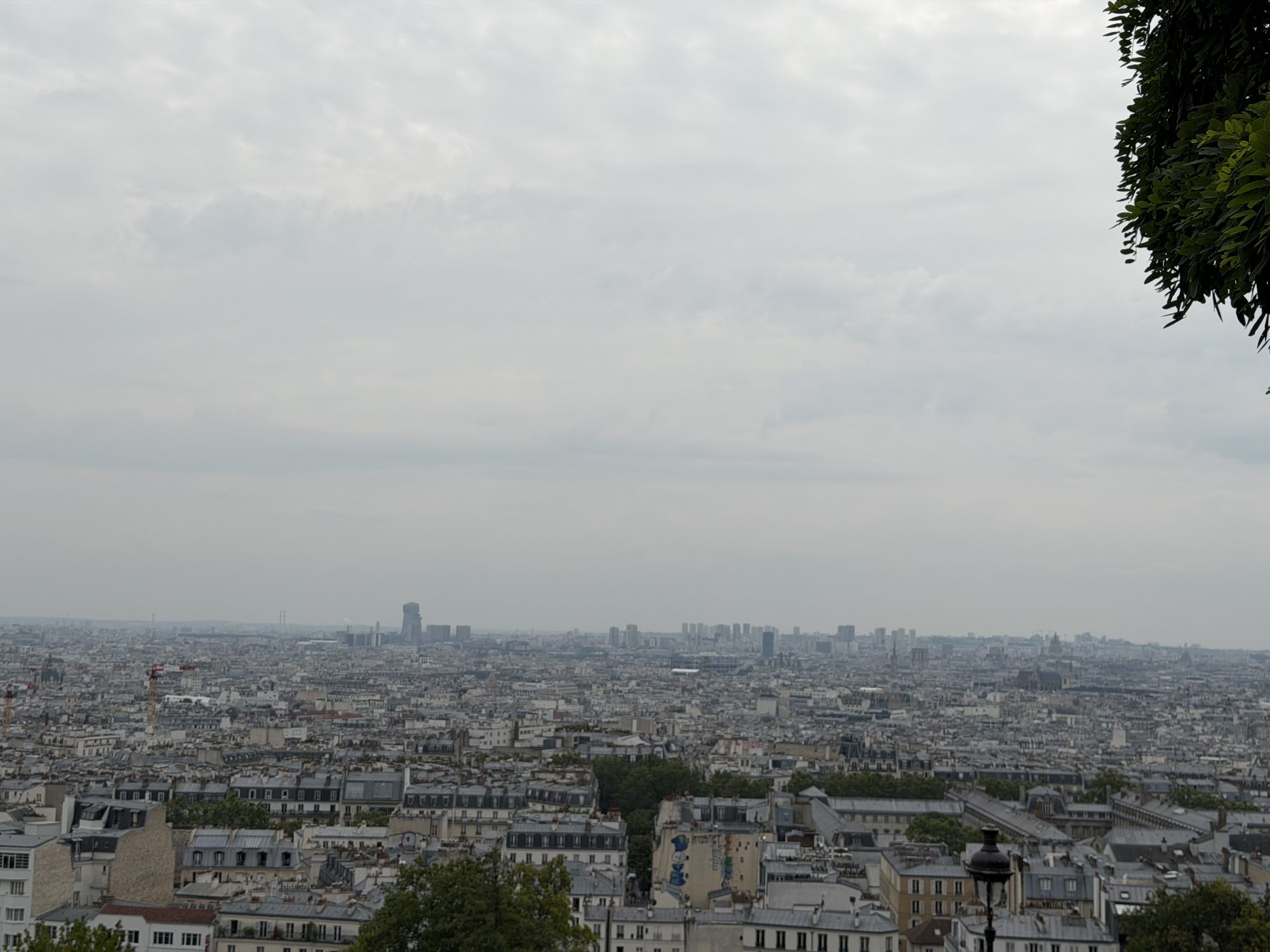
The Paris skyline from Montmartre, from our visit in July 2026
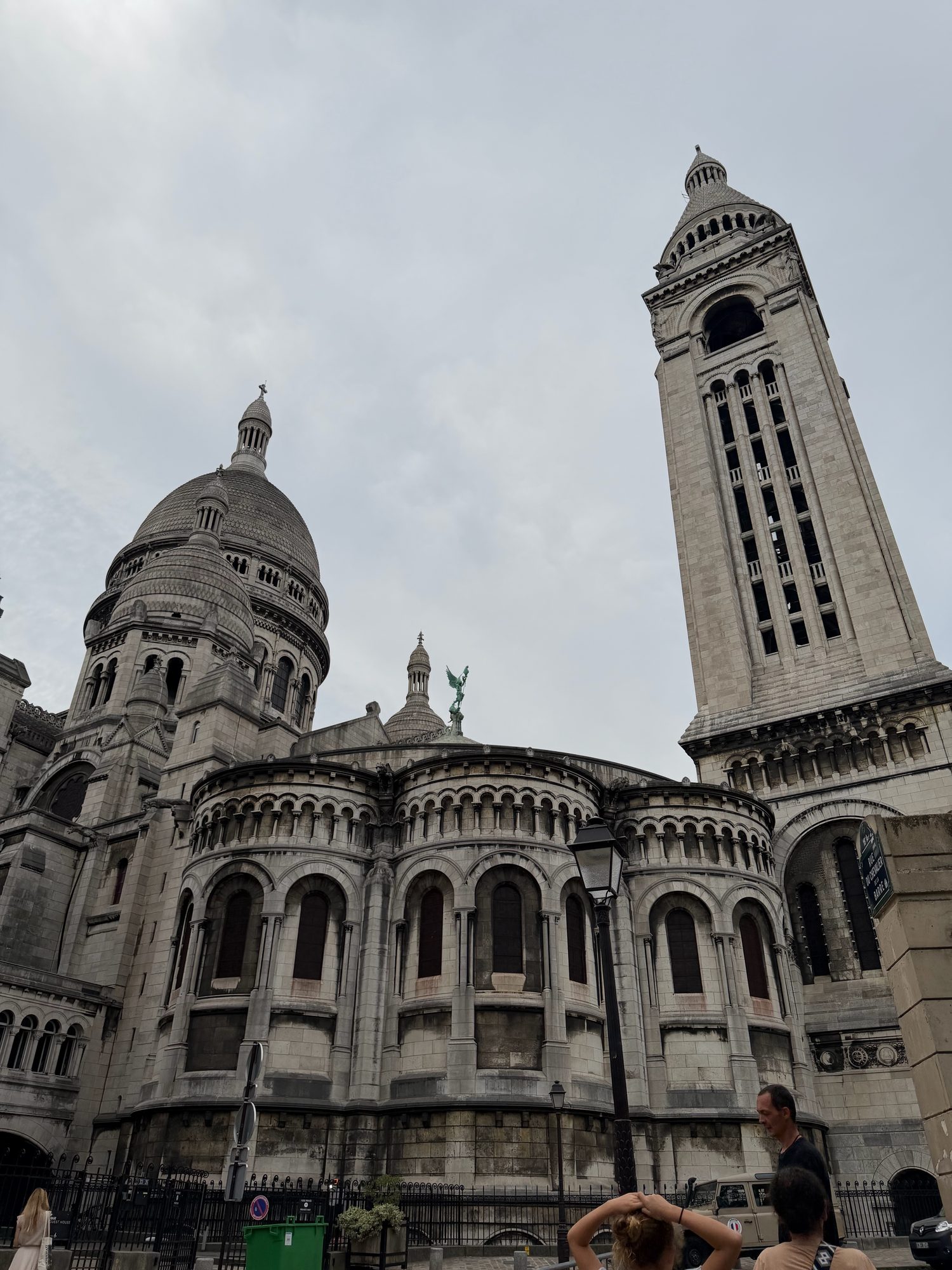
Sacre-Coeur from the rear, Montmartre, from our visit in July 2026
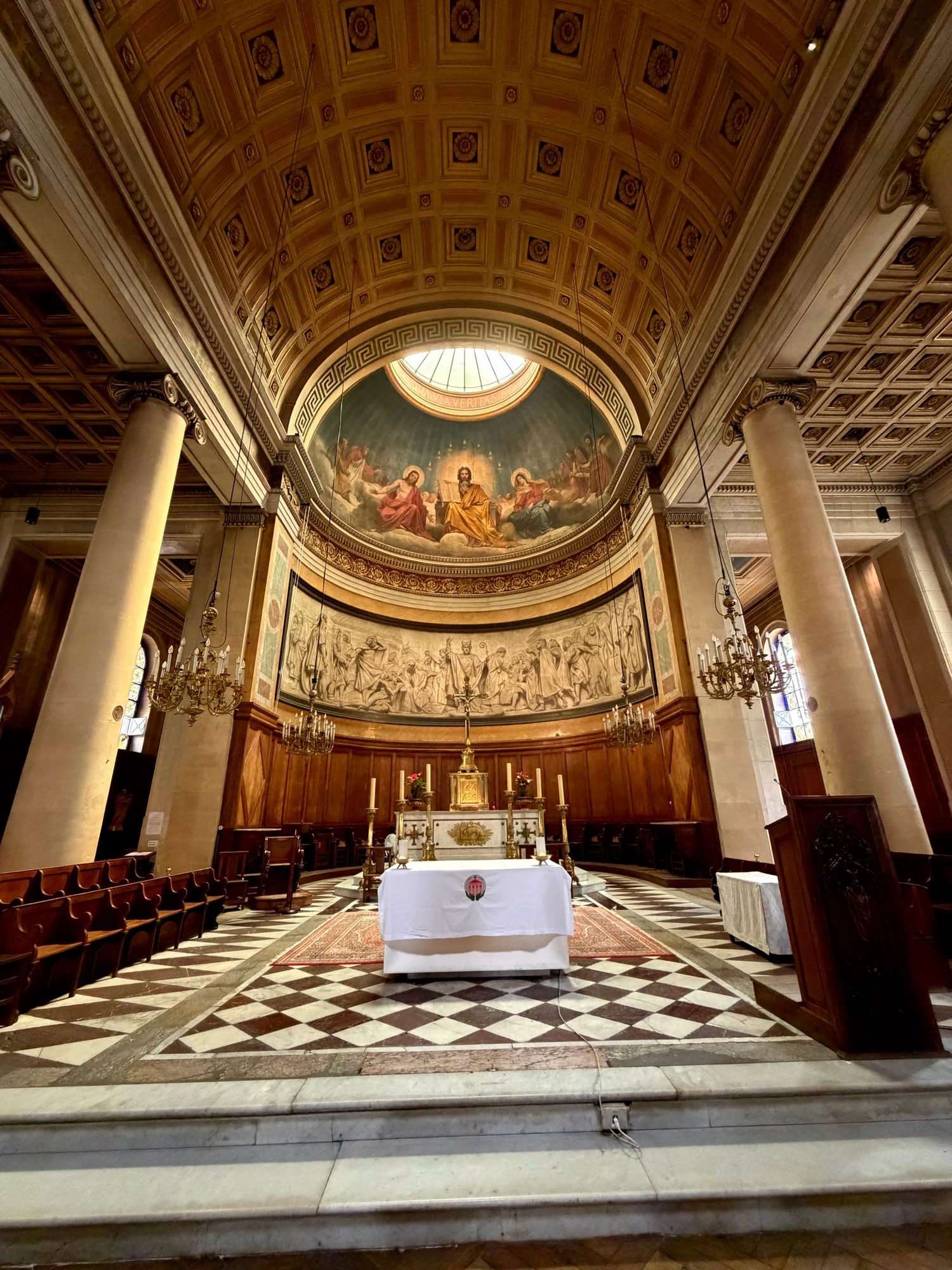
A Paris church interior with a coffered ceiling, from our visit in July 2026
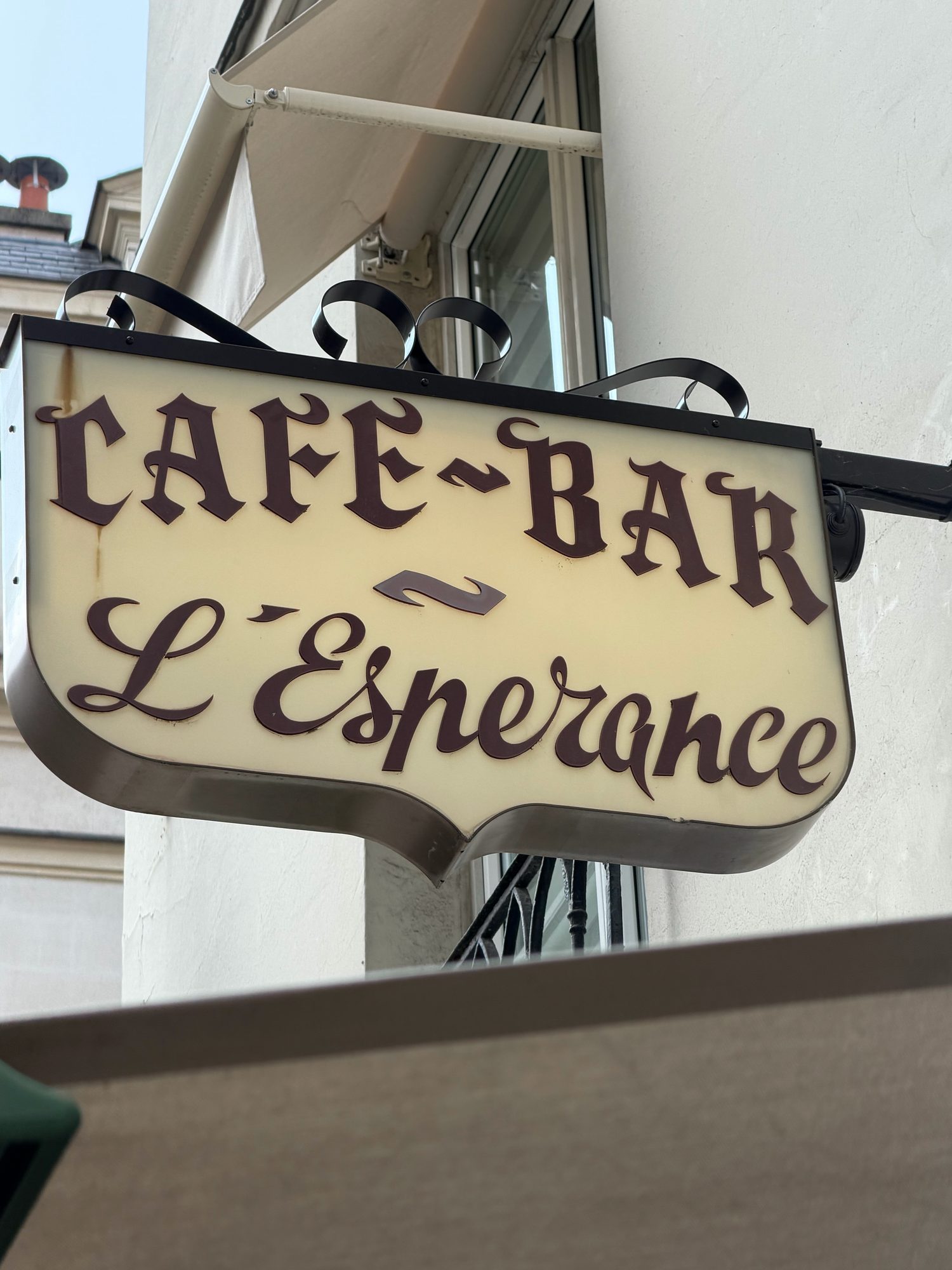
Cafe-Bar L'Esperance street sign, Paris, from our visit in July 2026

The long way round, from our visit in July.

A bus terminal, restored

Grey Spaces is the Savannah-based hospitality and lifestyle company co-founded by Chef Mashama Bailey and restaurateur Johno Morisano, and its guiding idea is a simple one: welcome strangers as friends. Its flagship, The Grey, opened in December 2014 inside a 1938 art deco Greyhound bus terminal that the pair painstakingly restored. The cooking is Mashama’s personal take on Port City Southern food: deeply layered, contextual and, by their own description, provocative.

The accolades followed, as they tend to when the food is this good. Mashama won the James Beard Award for Best Chef: Southeast in 2019, then Outstanding Chef in 2022. Together, she and Johno wrote Black, White and The Grey, an unusually candid book about building businesses, and a partnership, across race, class and culture in the American South.

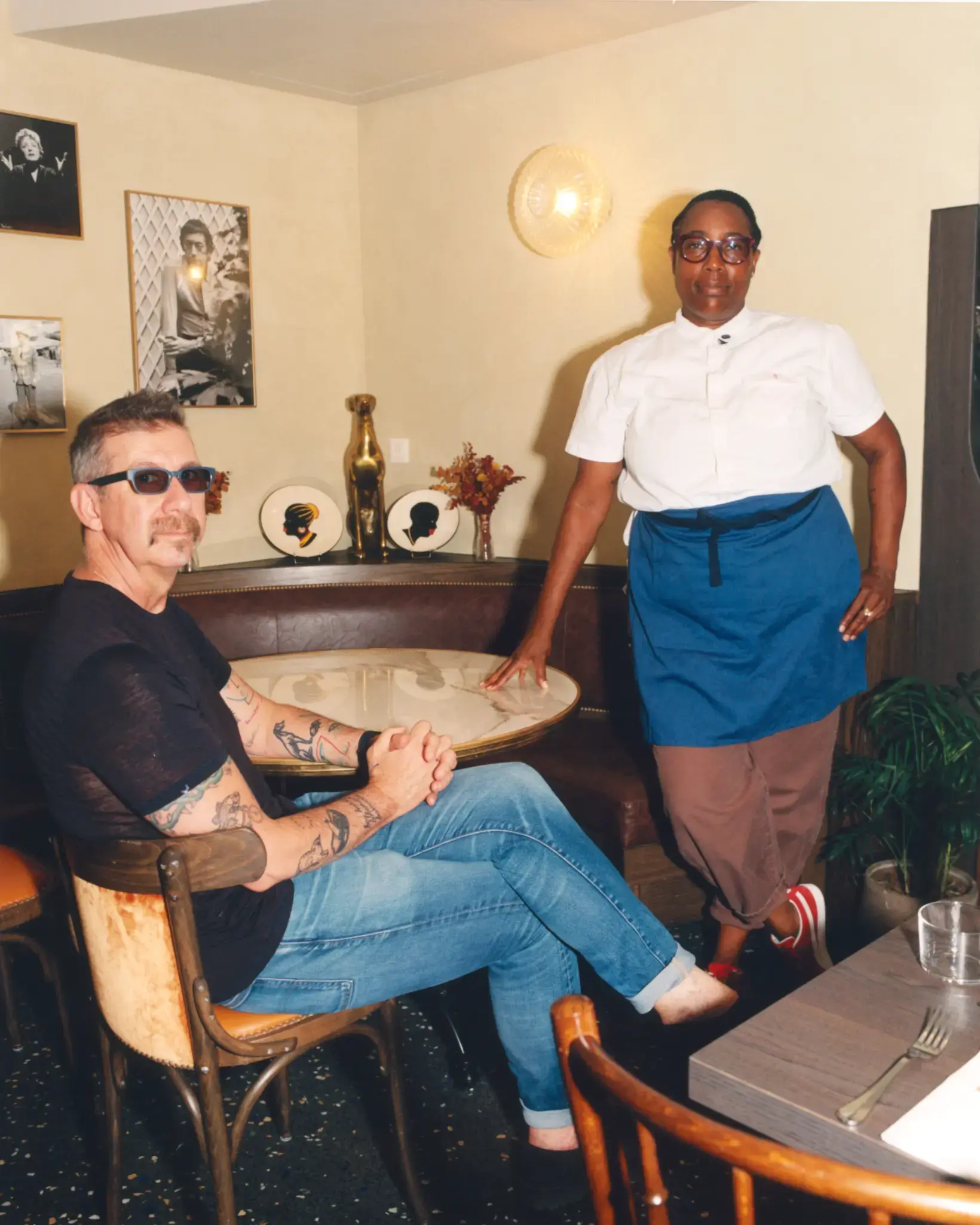
Johno Morisano and Chef Mashama Bailey. Photo: Kelly Anthony-Koffi and Semaine.

Johno Morisano and Chef Mashama Bailey. Photo: Kelly Anthony-Koffi and Semaine, via Hilton.

Southern food, on the move

Then the bus left the terminal. In 2018 came The Grey Market, their love letter to the New York bodega by way of the Southern lunch counter. Then Paris, and L’Arrêt, which translates as “the stop”. For a company born in a bus terminal, that feels about right. And in August, Hilton announced that Grey Spaces will lead the culinary direction for Signia Hilton Savannah, from the lobby bar to the rooftop, ahead of the hotel’s 2028 debut.

As they like to put it, “Southern Food is on the move!” Our job is to make sure the websites keep up.

Lunch at the stop

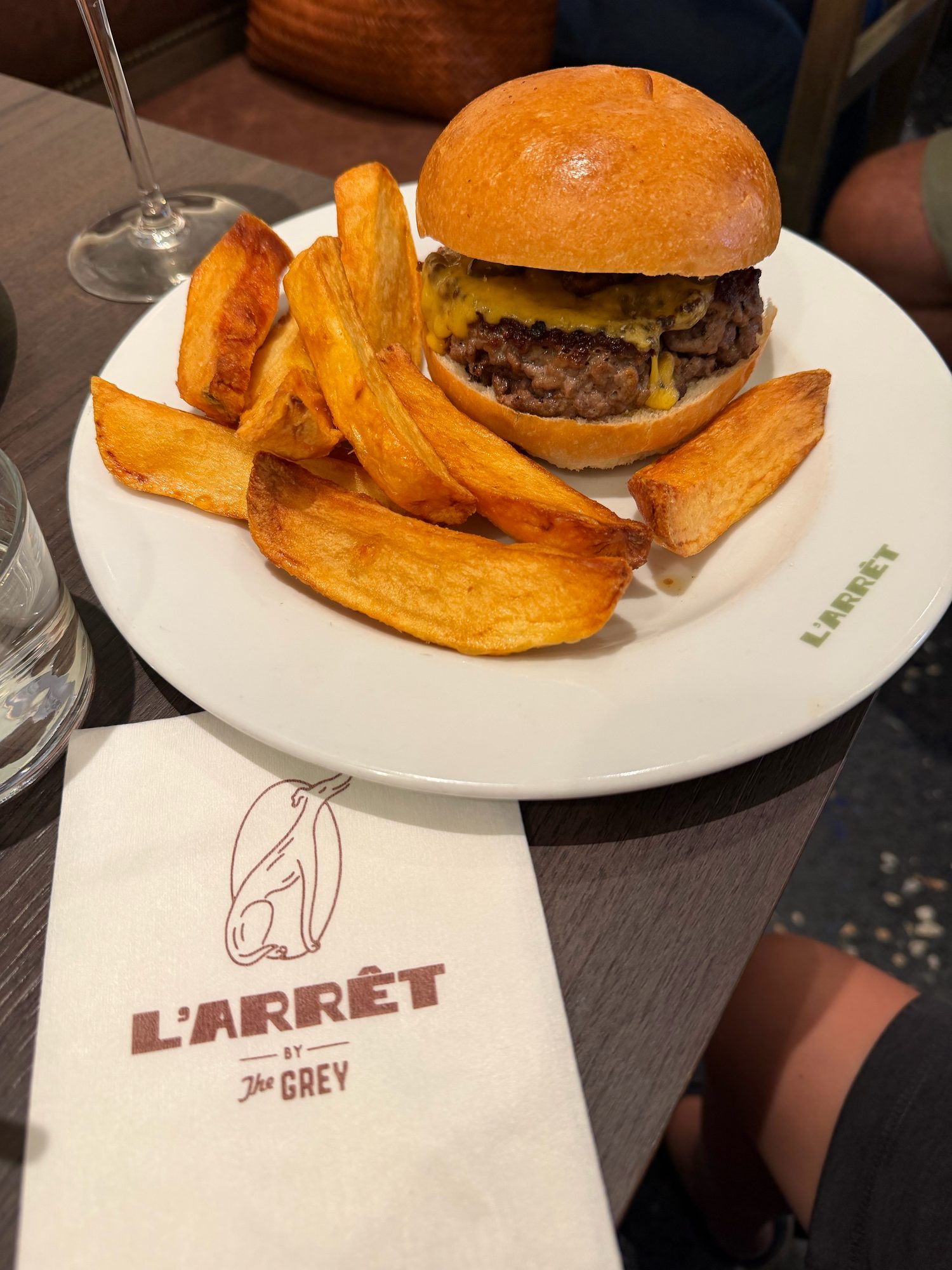
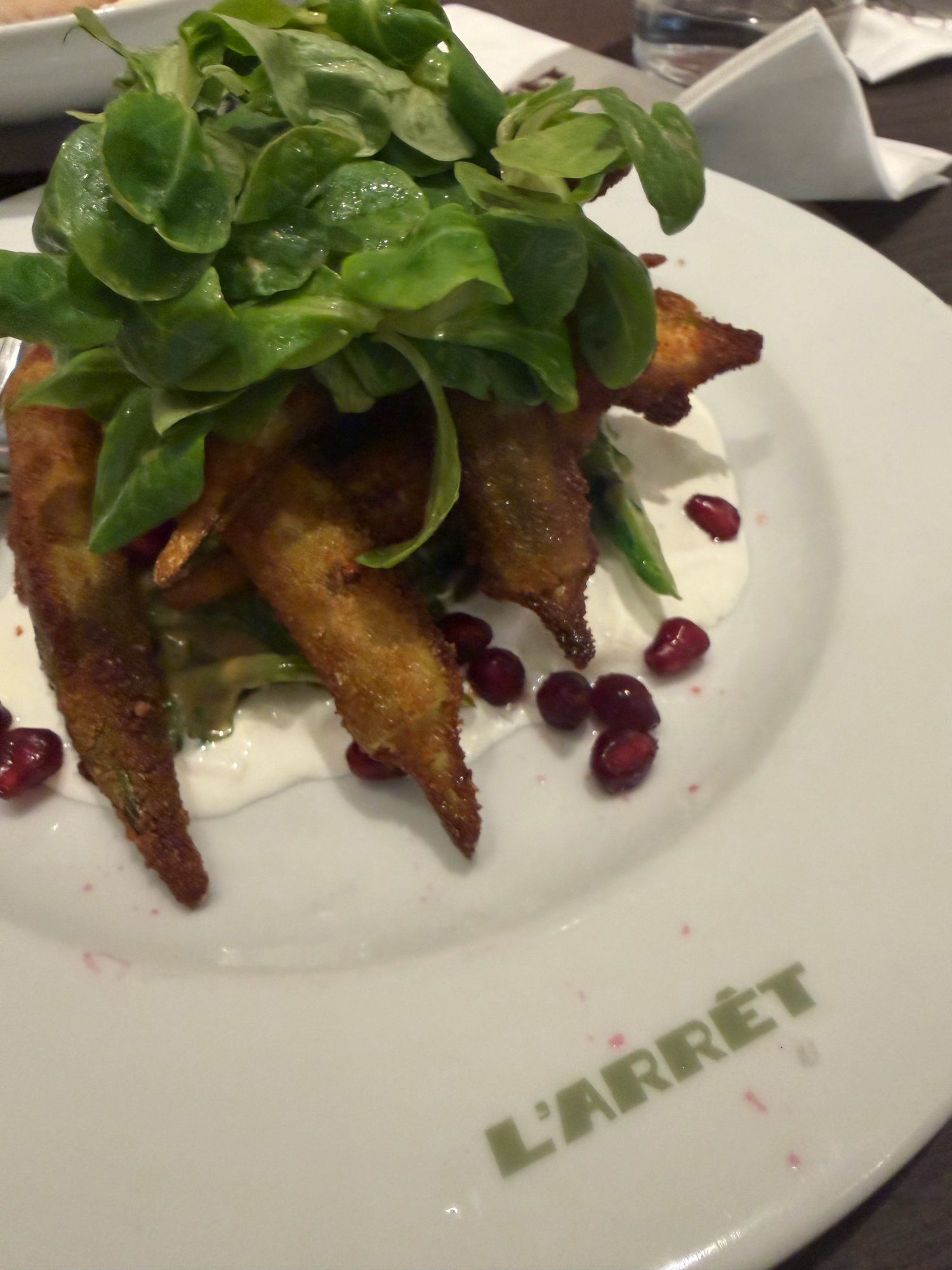
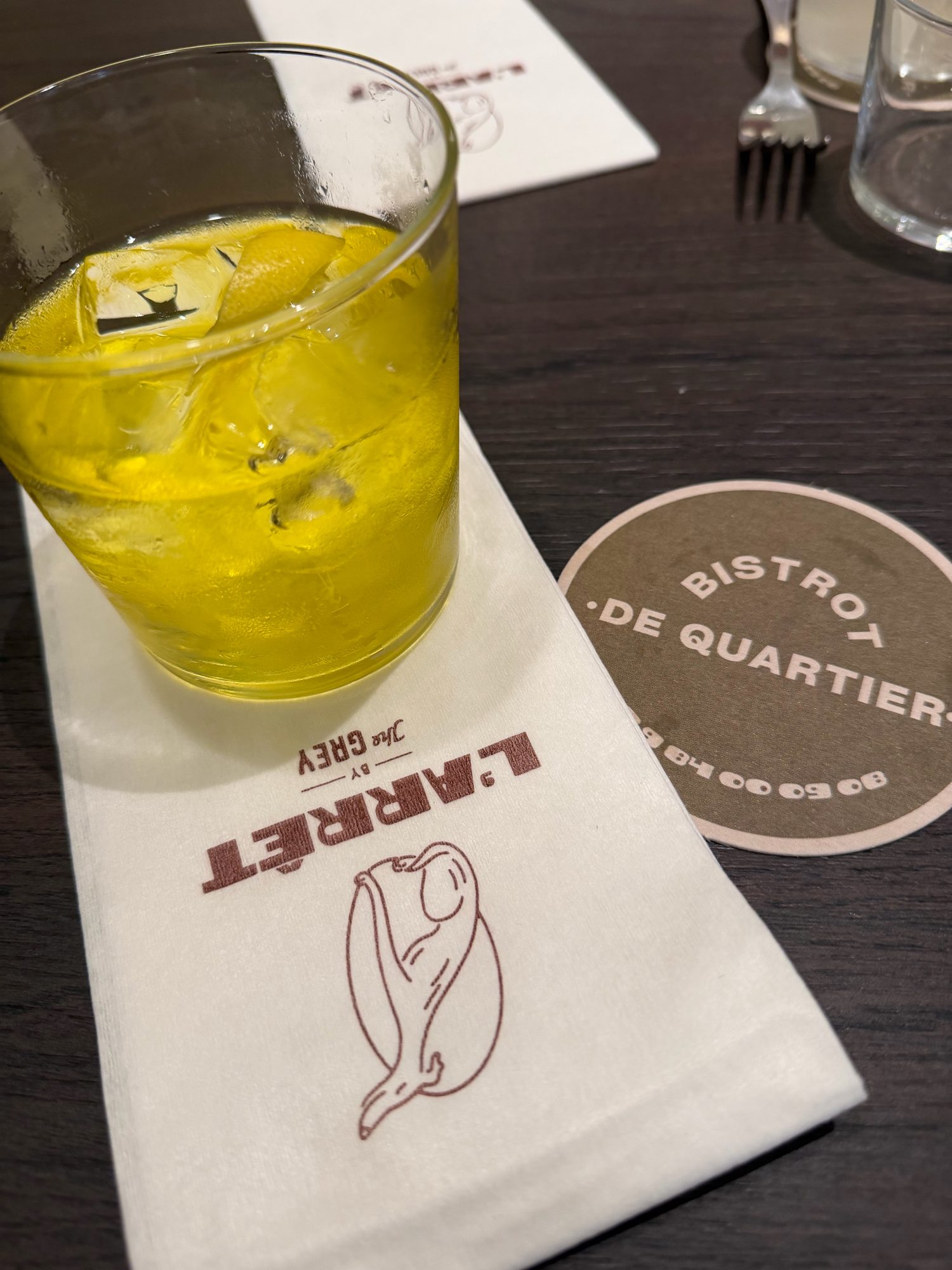
We can report that the Paris outpost does not phone it in. A fried starter arrived under lamb’s lettuce and pomegranate. The cheeseburger came with fries cut thick enough to argue with. Something yellow and cold appeared in a glass. The napkin said L’Arrêt by The Grey, the coaster said Bistrot de Quartier, and both were telling the truth.

Cheeseburger and fries at L'Arret by The Grey, from our visit in July 2026
Fried starter with lamb's lettuce and pomegranate at L'Arret by The Grey, from our visit in July 2026
A drink on an L'Arret by The Grey napkin and Bistrot de Quartier coaster, from our visit in July 2026

Lunch at L’Arrêt, from our visit in July.

Why they called

Hospitality is rarely one brand. It’s a family of them, each with its own accent, and usually each with its own website, its own login and its own pile of duplicated photography, built on whatever timeline the opening allowed. The people behind them are the same, though, and so is the question: why are we running these like they’re different companies?

Grey Spaces wanted one digital home for the group that would still let every room keep its own character. The Grey shouldn’t look like L’Arrêt, and neither should look like a template with the logo swapped.

One kitchen, many dining rooms

So we’re building it the way you’d run a good restaurant group.

The kitchen is a single Craft CMS installation, set up as a multisite. Grey Spaces, The Grey, L’Arrêt and the concepts still to come each live in it as their own site, with their own content, settings and domain, grouped into families of related sites. The team signs in to one place, learns one system and publishes to whichever brand needs it, without one restaurant’s menu wandering onto another’s homepage.

The dining rooms are front ends built in Nuxt. We write the shared foundation once: the storytelling blocks, menus, events, recipes, the shop, the cookie consent and all the quiet plumbing. Each brand is then its own small site that inherits that foundation and dresses it in its own typography, colour and imagery. Every brand is deployed separately on Netlify and told, through a handful of settings, which content it serves. A new site becomes a matter of configuration, not a fresh build.

The details are where it earns its keep. L’Arrêt speaks French first and English second, on one domain, with a language switcher that remembers your preference. Each brand can run its own Shopify storefront and its own Klaviyo list. And the sister brands are pulled into each site’s footer straight from the CMS, so the family stays introduced without anyone hard-coding a link.
Site number six should cost less than site number two. That’s rather the point.

What’s next

The groundwork is down: one CMS behind every brand, a shared foundation in front, and the first brand sites taking shape on staging. Next come the launches, then whatever Grey Spaces opens after that, each one a new room in a house that already has the plumbing.

It’s a good room to be invited into, and we intend to look after it. We’d also happily walk across Paris for that burger again.

If your group is running a family of websites like a set of strangers, Sarah would be glad to hear about it: sarah@shrimpton.agency.

Back to all articles